
How African SMEs Can Benefit from Ongoing Economic and Trade Wars
Ongoing economic and trade wars among major global powers are reshaping international commerce, disrupting supply chains, and redefining trade relationships. While these tensions have created uncertainty for many economies, they also present unique opportunities for African Small and Medium-Sized Enterprises (SMEs).
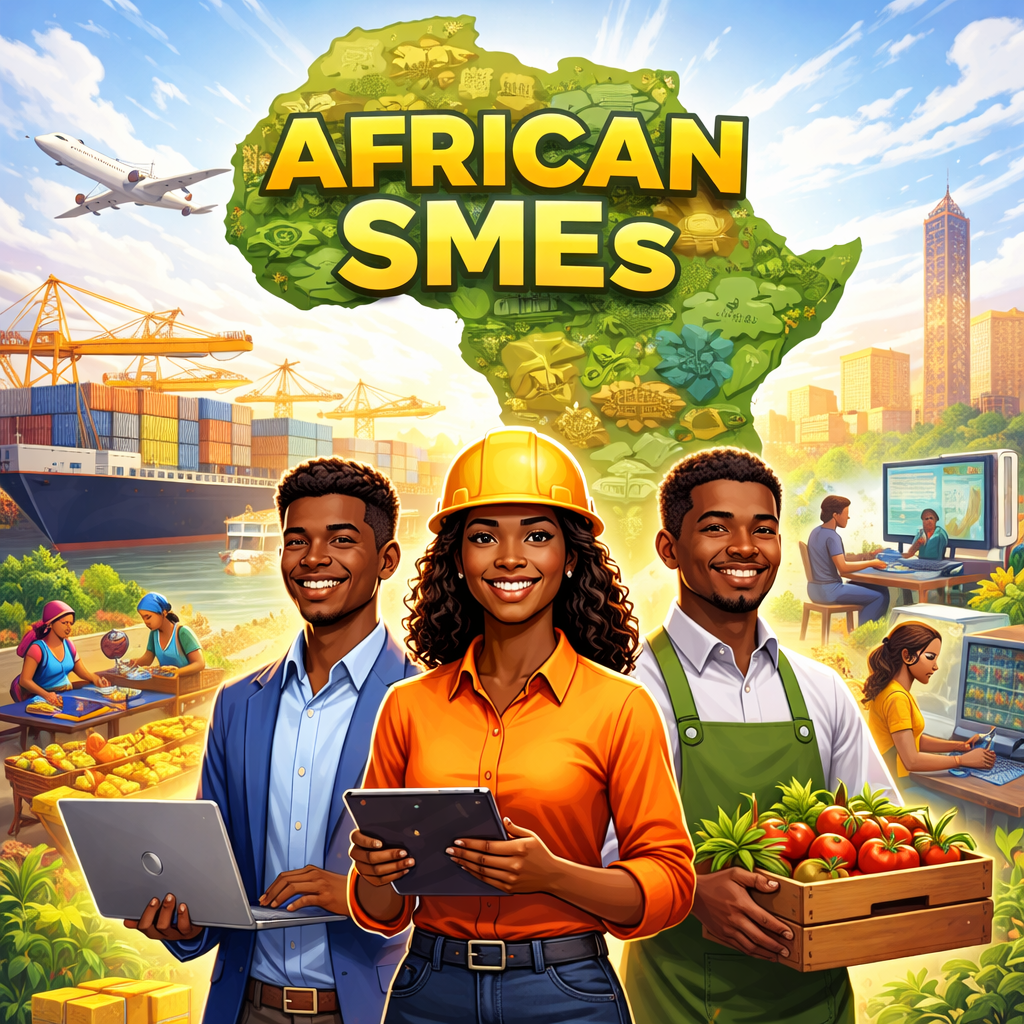
Ongoing economic and trade wars among major global powers are reshaping international commerce, disrupting supply chains, and redefining trade relationships. While these tensions have created uncertainty for many economies, they also present unique opportunities for African Small and Medium-Sized Enterprises (SMEs). Owing to their flexibility and growing integration into regional and global markets, African SMEs are well positioned to benefit from the shifting dynamics of global trade if they respond strategically.
One of the most significant opportunities arising from trade wars is the reconfiguration of global supply chains. As multinational companies seek to reduce dependence on traditional suppliers affected by tariffs and sanctions, they are increasingly looking for alternative sourcing destinations. African SMEs can fill these gaps by supplying agricultural products, light manufactured goods, textiles, and semi-processed raw materials to markets in Europe, Asia, and the Middle East. This diversification away from over-concentrated supply hubs offers African businesses a chance to integrate more deeply into global value chains.
In addition, economic and trade wars have accelerated the importance of regional trade as countries turn inward to protect their economies. In Africa, this trend aligns strongly with the African Continental Free Trade Area (AfCFTA), which aims to create a single continental market. For African SMEs, AfCFTA reduces tariff barriers and expands market access beyond national borders, enabling them to scale production, access new consumers, and build regional partnerships. Sectors such as agro-processing, pharmaceuticals, construction materials, and services stand to benefit significantly from increased intra-African trade.
Rising import costs and supply disruptions caused by trade wars have also strengthened the case for import substitution across Africa. Governments and consumers are increasingly favoring locally produced goods as alternatives to expensive or unavailable imports. This environment creates space for SMEs to expand local manufacturing and processing activities, particularly in food processing, packaging, basic consumer goods, and light industrial products. By responding to domestic demand, SMEs can improve resilience while contributing to job creation and industrial development.
Furthermore, trade tensions are prompting foreign investors to diversify production locations and seek new partnerships in emerging markets. African SMEs can leverage this shift by forming joint ventures with international firms looking to establish or expand operations on the continent. Such collaborations can facilitate technology transfer, skills development, and access to finance, enabling local enterprises to improve productivity and competitiveness. Countries that provide stable policy environments and targeted SME support are already witnessing increased investment interest.
The growth of digital trade also offers African SMEs a strategic advantage in the context of global trade conflicts. Unlike physical goods, digital services are less affected by tariffs and border restrictions. SMEs engaged in information technology, fintech, digital marketing, consulting, and outsourcing services can access international markets with relatively low entry barriers. This trend particularly benefits Africa’s youthful and increasingly tech-savvy population.
Another critical opportunity lies in value addition and local processing. Trade wars and sanctions have exposed the vulnerability of economies that rely heavily on exporting raw commodities. African SMEs can respond by moving up the value chain, transforming raw agricultural and mineral products into higher-value goods. This approach not only increases export earnings but also reduces exposure to volatile global commodity prices.
In conclusion, while economic and trade wars pose challenges to the global economy, they also create openings for African SMEs to reposition themselves strategically. By tapping into alternative supply chains, strengthening regional trade, promoting local manufacturing, embracing digital services, and investing in value addition, African SMEs can transform global disruptions into drivers of growth. With the right policy support and entrepreneurial agility, African SMEs can emerge as key beneficiaries in the evolving global economic landscape.